
Fashionable Walking Shoes for Europe: What to Look For
How to pick walking shoes for Europe that look put-together and still hold up to cobblestones and all-day walking.
Contents24
- Be honest about the trade-off before you shop
- Why European cities are a different test than a normal walking shoe review
- What "fashionable" actually needs to mean here
- Why cobblestones specifically punish the wrong shoe
- Matching the shoe to your actual itinerary
- Color and versatility matter more on a trip than at home
- How the season changes what "fashionable" should mean
- Sock choice changes how a "fashionable" shoe performs
- How to judge "walkable" from photos and a spec page alone
- Dress-code moments to plan around
- One pair or two: the honest packing math
- Materials, compared honestly
- What separates a genuinely walkable shoe from one that just looks the part
- Packing a fashionable walking shoe
- Break them in before you leave
- Caring for a shoe that does double duty
- What "walkable" actually costs you in a fashionable shoe
- A quick gut check before you buy
- Common questions
- Renting or buying in-destination isn't a real backup plan
- Why this matters more on a multi-city trip than a single-destination one
- Where to look for specific pairs
- The bottom line
- Related reading
A shoe that looks great but falls apart after two days on cobblestones isn't a good travel shoe. Neither is a shoe built for a trail that looks out of place at a nice dinner. Here's how to find the middle, without guessing, and without pretending the two goals never conflict.
Be honest about the trade-off before you shop
Here's the part a lot of gear advice skips: fashion and walkability pull in different directions. No shoe erases that tension completely. More cushioning generally means a bulkier, more athletic-looking shoe. A slimmer, dressier silhouette generally means a thinner sole and less foam between your foot and the ground. A shoe marketed as doing both well is usually landing somewhere in the middle of that spectrum, not eliminating the spectrum entirely.
That's not a reason to give up on finding a shoe that works for both. It's a reason to go in with realistic expectations about what "fashionable and walkable" actually means. It means a shoe that reads as normal footwear and holds up to six or eight hours on your feet. It does not mean a shoe that looks like a dress flat and performs like a max-cushion running shoe. That shoe doesn't exist.
If your feet genuinely need maximum cushioning, whether from a known condition or just a lot of accumulated daily mileage, prioritize that. Accept a more athletic look for the trip. If blending in with local dress norms matters more than extra foam, lean toward the dressier end of that spectrum. Accept a somewhat firmer ride in exchange.
Why European cities are a different test than a normal walking shoe review
Most walking shoe reviews are written for flat sidewalks and gym treadmills. European cities throw in cobblestones, worn marble steps, and cafe patios with narrow aisles. You'll also spend days on your feet for six or more hours without planning to be. A shoe that scores well in a typical review can still feel wrong on a European trip. That happens if it wasn't tested against that kind of terrain.
What "fashionable" actually needs to mean here
Fashionable doesn't have to mean fragile. It means a shoe that reads as normal footwear, not obvious athletic gear, while still doing the job of a walking shoe. Three things separate a shoe that pulls this off from one that doesn't:
1. A low-profile silhouette
Chunky running shoes work for a hike but stand out in a lot of European city settings. This is truer in restaurants or churches with a stricter dress expectation. A slimmer sneaker, loafer-style walking shoe, or minimalist leather shoe blends in better. It can still give you real cushioning underneath, if the sole is built right.
2. A sole with real grip, not just a flat street sole
Cobblestones and wet marble steps punish a smooth-soled dress shoe fast. Look for a rubber outsole with some texture or pattern, even on a shoe styled to look dressy. A lot of "city sneaker" brands now build this in without it showing on the surface. Check the sole pattern in product photos, not just the upper.
3. A material that handles light rain
European weather shifts fast, especially in spring and fall. A shoe in treated leather, a leather-look synthetic, or a water-resistant knit holds up better across a multi-day trip. Raw suede or canvas stain and take a long time to dry.
Why cobblestones specifically punish the wrong shoe
Cobblestones aren't just uneven. They're rounded. The gaps between them shift your footing slightly with nearly every step, even on ground that looks flat from a distance.
A stiff sole with little flex can't adapt to that constant small variation. This is common in dress shoes built for a smooth office floor. A flexible rubber outsole handles it far better.
Add rain, and the same stones that were merely uneven when dry become genuinely slick. Worn stone holds a thin film of water differently than rougher modern pavement does.
This is the single biggest reason a US shoe often fails on old European streets. Most US downtowns don't have blocks of centuries-old rounded stone streets to navigate. So most walking shoe reviews were never tested against that specific condition.
Marble floors inside churches and museums, plus other grand older buildings, add a related but distinct problem. Decades or centuries of foot traffic polish stone smooth. That polish can make a floor slippery even when it's completely dry, let alone after someone's tracked in rain from outside. A textured outsole matters here just as much as it does outdoors.
Matching the shoe to your actual itinerary
Not every European trip needs the same shoe:
- City-heavy trip (museums, shopping streets, cafes): prioritize a slim, dressier silhouette with a grippy sole. You'll be on pavement and cobblestones more than dirt or grass.
- Trip with day hikes or countryside stops: you'll want more traction and support than a strictly city shoe offers, even if it costs you some style points.
- Mixed trip: consider one dressier walking shoe for city days and one more rugged pair for anything off pavement. Don't try to find one shoe that does everything.
Color and versatility matter more on a trip than at home
At home, you might own five pairs of shoes for different outfits. On a trip, you're likely bringing one or two. A neutral color, black, white, tan, or a muted earth tone, pairs with more of your packed outfits. A bold color or pattern limits what you can wear it with.
How the season changes what "fashionable" should mean
A trip through Rome or Lisbon in spring or fall usually means warm afternoons and cool mornings. A breathable leather or knit upper works well here without trapping heat. A lighter jacket handles the temperature swing, instead of the shoe needing to do double duty.
A winter trip through Northern Europe is a tougher ask for a purely style-focused shoe. So is anywhere with a real chance of sustained cold rain. Most dressy silhouettes aren't built with a waterproof membrane.
If your itinerary includes several wet, cold days in a row, be honest with yourself. A fashion-forward pick may need a genuinely waterproof partner shoe. Don't try to stretch one pair across every kind of weather your trip might throw at you.
Summer in Southern Europe adds the opposite problem. A closed leather shoe, however stylish, traps more heat than a breathable knit or mesh upper. If you're traveling in July or August and walking a lot, breathability probably matters more. It matters more than how dressy the shoe looks on a store shelf. Weight your decision that way, even if it means leaning slightly more casual than you'd planned.
Sock choice changes how a "fashionable" shoe performs
A dressy-looking shoe often comes with a slimmer fit than a bulky athletic shoe. That means sock choice matters more. A thin, moisture-wicking sock keeps a slim-fit shoe comfortable over a long walking day. A thick cotton sock can make the same shoe feel tight and cause blisters by afternoon. If you're buying a new pair for a trip, try it on with the actual socks you plan to wear, not whatever you had on in the store.
How to judge "walkable" from photos and a spec page alone
If you're shopping online rather than trying shoes on in person, a few signals tell you more than the marketing copy does:
- Look at the outsole photo, not just the side view. A flat, smooth sole reads as more likely to slip on wet stone. A sole with visible texture or a tread pattern is a better sign, even on a dressy-looking shoe.
- Check the stated materials. Full-grain or treated leather sheds light rain better than untreated suede or canvas. A synthetic knit upper marketed as "water-resistant" usually means light rain only, not standing water.
- Read the fit notes. Brands that mention a roomier toe box or all-day cushioning are more likely built with walking in mind, even if the shoe is styled to look like a normal sneaker or loafer.
Dress-code moments to plan around
A handful of settings on a European trip have a real dress expectation. Some churches and cathedrals ask for covered shoulders and closed-toe shoes. Some restaurants, especially in the evening, lean dressier than casual US dining. You don't need a separate formal shoe for this.
A slim, dark-colored walking shoe usually clears both bars. That's the whole point of choosing one shoe that works in more settings, instead of packing a purely athletic shoe plus a separate dress shoe.
One pair or two: the honest packing math
Most travelers overpack shoes. Not because they plan to, but because they buy a "just in case" third or fourth pair. They skip the math on how many days actually need something different.
A realistic plan for most multi-city Europe trips is one primary walking shoe built for full days on pavement and cobblestones. Add one lightweight backup: for a change of pace, for style variety on an evening out, or simply as a dry pair if the first one gets soaked. That's it for most itineraries.
A third pair earns its space only if your trip genuinely mixes very different activities. City walking plus a multi-day hike is one example, where one shoe realistically can't do both jobs safely.
The math changes slightly for longer trips. Across three or four weeks, rotating between two pairs, rather than wearing one shoe every day, spreads out wear on both pairs. It also gives your feet a break from any one shoe's specific pressure points. That matters more than people expect, once you're several days deep into repeated eight-hour walking days.
It's not really about needing more shoes. It's about not asking one pair to survive an entire month of daily heavy use without a rest.
Materials, compared honestly
Full-grain and treated leather are the most forgiving materials for a shoe that needs to look presentable and survive light rain. They shed a quick shower reasonably well. They also tend to look better with age and light wear, rather than visibly deteriorating the way some synthetics do. The trade-off is weight and a longer break-in period compared to mesh or knit.
Untreated suede is the material most likely to disappoint on a European trip. It stains visibly and permanently from rain and street grime, and it dries slowly. That's a real problem if you only packed one pair and it's your only shoe for the next day's activities. If you love how a suede shoe looks, treat it with a protective spray before you leave, not after the first rainy day. That at least reduces the risk.
Engineered knit and mesh uppers breathe the best and need the least break-in time. But most aren't waterproof on their own, even when marketed as "water-resistant." That phrase usually describes a light coating. It handles a drizzle, not a downpour. Check a product's actual construction claim, rather than assuming "water-resistant" means the same thing as "waterproof."
What separates a genuinely walkable shoe from one that just looks the part
A shoe photographs well or looks appealing on a rack for reasons that have nothing to do with how it performs on your feet for six hours. The features that actually matter for walking are often invisible from the outside. Think real cushioning in the midsole, a stable heel counter, a flexible textured outsole. That's exactly why marketing copy alone isn't a reliable guide.
A brand's own construction details are a better signal. Look for named footbed technologies, specific outsole compounds, or stated cushioning materials. That beats adjectives like "comfortable" or "all-day." Every shoe claims those, regardless of whether it's true.
When you're comparing specific models, look for those named technologies rather than the marketing language wrapped around them. Our two detailed guides linked below dig into real, verified examples of this.
Packing a fashionable walking shoe
A slim, low shoe packs flatter than a chunky trainer, which is part of its appeal on a carry-on trip. Wear the bulkier of your two pairs on travel days. Put the packed pair in a shoe bag at the bottom of your bag, soles together, with socks stuffed inside. Leather and suede scuff easily in a crowded bag, so keep them away from zips and buckles.
If you bring a suede pair, treat it with a protector spray at home a few days before you leave, so it has time to dry. A small brush weighs almost nothing and lifts dried mud off suede at the end of a wet day. Smooth leather needs only a damp cloth and a little time to dry away from a heater.
Break them in before you leave
This applies to every shoe on this list: never wear a brand-new pair of shoes on your first full walking day in Europe. Wear them at home for at least two weeks first. A shoe that feels fine in a store can still cause blisters on hour four of a cobblestone-heavy day. And there's no store to return them to once you're mid-trip.
Caring for a shoe that does double duty
A shoe that's both your daily walker and dinner shoe needs a little upkeep. That keeps it looking presentable across a multi-week trip. Wipe leather or leather-look uppers down at the end of a wet day, rather than letting them air-dry caked in street grime. If you're packing a light protective spray for suede or leather, apply it before you leave, not once you're already on the road. A shoe that looks tired by day five isn't doing its "fashionable" job anymore, even if it's still comfortable underneath.
What "walkable" actually costs you in a fashionable shoe
It's worth naming the real trade-offs, rather than pretending a well-chosen shoe erases them. Compared to a max-cushion athletic shoe, most fashionable picks feel firmer underfoot, especially by hour six or seven of a long day. They may run slightly heavier or stiffer if the upper is leather rather than a lightweight knit. And a slimmer silhouette generally means less structure protecting your foot from the direct impact of an uneven cobblestone. A chunkier sole has more material between your foot and the ground to absorb that impact.
None of this means a fashionable shoe is a bad choice. It means going in without inflated expectations. That way you're not surprised or disappointed three days into a trip, when a dressy pick feels different than the running shoes you're used to.
The upside runs the other direction too. A shoe built to look normal often forces better design discipline in the parts you can't see from across a room. Think a well-fitted heel counter, a properly shaped toe box, or a footbed that doesn't rely purely on visible bulk to feel genuinely supportive over a long day. Some of the best "hidden comfort" shoes on the market prove that a slim silhouette and real support aren't mutually exclusive. They're just harder to design well than simply throwing more foam at the problem, the way a max-cushion running shoe does.
A quick gut check before you buy
Before committing to a specific pair, run through a short list of questions that cut through most marketing copy:
- Does the outsole have visible texture in photos, not just a smooth, flat surface?
- Does the brand name a specific cushioning or support technology, rather than only using words like "comfortable" or "all-day"?
- Is the upper material leather, treated leather, or a knit explicitly described as water-resistant, rather than untreated suede or plain canvas?
- Have you worn this exact shoe, or at least this brand's typical fit, for more than an hour at a time before deciding to rely on it for a full trip?
- Does the color work with more than one outfit you're actually packing, rather than just the one outfit you photographed it with in your head?
A shoe that clears most of these questions is a reasonable bet for European city walking. That's true even before you've read a single review of that specific model. A shoe that fails two or more of them, especially the outsole texture and named-technology questions, is worth a second look. That's true no matter how good it looks in a product photo. Those two questions correlate most directly with how the shoe will actually feel by the middle of a long walking day.
Common questions
Can one pair of shoes really work for both walking and dinner? For most trips, yes. Pick a low-profile shoe with real cushioning and a grippy sole, rather than a strictly athletic shoe or a strictly dress shoe. The tradeoff: a shoe built to do both won't be quite as specialized as one built for only walking or only dressing up.
Are leather shoes a bad idea because of rain? Not automatically. Treated or full-grain leather handles light rain reasonably well. Untreated suede is the riskier material in wet weather, since water stains it and it dries slowly.
Do I need a different shoe for cobblestones specifically, or is any walking shoe fine? Any shoe with a textured, grippy outsole handles cobblestones well. The shoes that struggle have a smooth, flat sole. That's common on strictly dress shoes and some fashion sneakers, regardless of how "walkable" they're marketed as.
Should I bring a second pair as backup? Yes. Even a well-chosen pair can get soaked in a sudden rain. A dry backup means you're not stuck wearing damp shoes the next day.
Is it better to buy a fashionable shoe from a comfort-focused brand or a fashion-focused brand? Neither category has an automatic advantage. It depends on the specific model, not the brand's general reputation. Comfort-focused brands are more likely to build in named support technologies and openly market the walking-focused features. That makes their claims easier to verify.
Fashion-focused brands sometimes build in real comfort features without marketing them heavily. So you have to look harder at the actual construction details. Don't assume a well-known fashion name automatically walks well. And don't assume a comfort-brand shoe automatically looks dated.
How much should style really weigh against comfort when I'm choosing? That depends entirely on your trip and your feet. There's no universally correct answer. A traveler with no history of foot pain, doing mostly short city walks with plenty of café breaks, has more room for looks.
A traveler prone to blisters or arch pain, doing eight-plus miles a day for two weeks, should weight comfort more heavily. They should accept a slightly more athletic look as the cost of avoiding real pain mid-trip. Neither preference is wrong. The mistake is picking a shoe based on looks alone, without being honest with yourself about which category you actually fall into.
What if I can't find a shoe that satisfies both the style and the walkability side? Then split the job across two shoes. Don't force one imperfect compromise. Pack one shoe that leans fully into comfort and support for your highest-mileage days. Pack a second, more stylish pair for shorter outings and dinners, and for lower-key days. This is a completely reasonable outcome and often works better than a single "does everything" shoe that does neither job particularly well.
Renting or buying in-destination isn't a real backup plan
It's tempting to think you can just buy a better shoe once you're in Europe, if the pair you brought isn't working out. In practice, this rarely goes smoothly. Shoe sizing conventions differ from US sizing, so you're translating on the fly in an unfamiliar system. That's often in a store where you don't speak the language well enough to ask detailed fit questions.
You also lose the entire point of breaking a shoe in before a trip. A shoe bought mid-trip gets zero adjustment period before you're relying on it for another eight-hour day. Treat this as a real emergency option, only if something goes seriously wrong. It's not a substitute for packing the right shoe, in the right size, already broken in, before you leave home.
Why this matters more on a multi-city trip than a single-destination one
A one-city trip gives you more flexibility to recover from a bad shoe choice. You can retreat to the hotel earlier, or skip a walking-heavy day. You can also buy a spare from a store you've already scouted, or simply push through, knowing the trip ends soon. A multi-city itinerary removes a lot of that slack.
You're often packing and unpacking every two or three days, and walking to and from train stations with a full bag. You're also covering new ground in each city, without the local knowledge that would tell you which streets are smoother and which are rough cobblestone. The shoe that matters least on a slow, single-city trip matters most on a fast-paced, multi-stop one. That's exactly the kind of itinerary a lot of first-time Europe travelers build for themselves.
Where to look for specific pairs
We cover specific product picks in two focused guides:
And our broader shoe guides if you want more options beyond this style-focused list:
The bottom line
A fashionable walking shoe for Europe is a real, achievable category, not a marketing fiction. But it's a narrower category than most gear roundups let on. It means a shoe with a low-profile, non-athletic look. It needs a genuinely grippy, flexible outsole, and a material that handles light rain without falling apart.
Wear it in well before your trip starts. Pair it with a realistic view of what it can and can't do, compared to a dedicated athletic shoe.
Get those pieces right, and one well-chosen pair can carry you through most of a trip's city walking, museum floors, and evening dinners. That frees up your packing space, and your mental energy, for the parts of the trip that actually deserve it.
Get them wrong, chasing looks alone or comfort alone, and you'll pay for it. Skip weighing your itinerary, climate, and daily mileage against each other. You'll spend part of your trip in real foot pain, or feeling out of place. That's exactly the outcome this guide is meant to help you avoid, before you've even packed your bag.
Related reading
Our picks in this topic
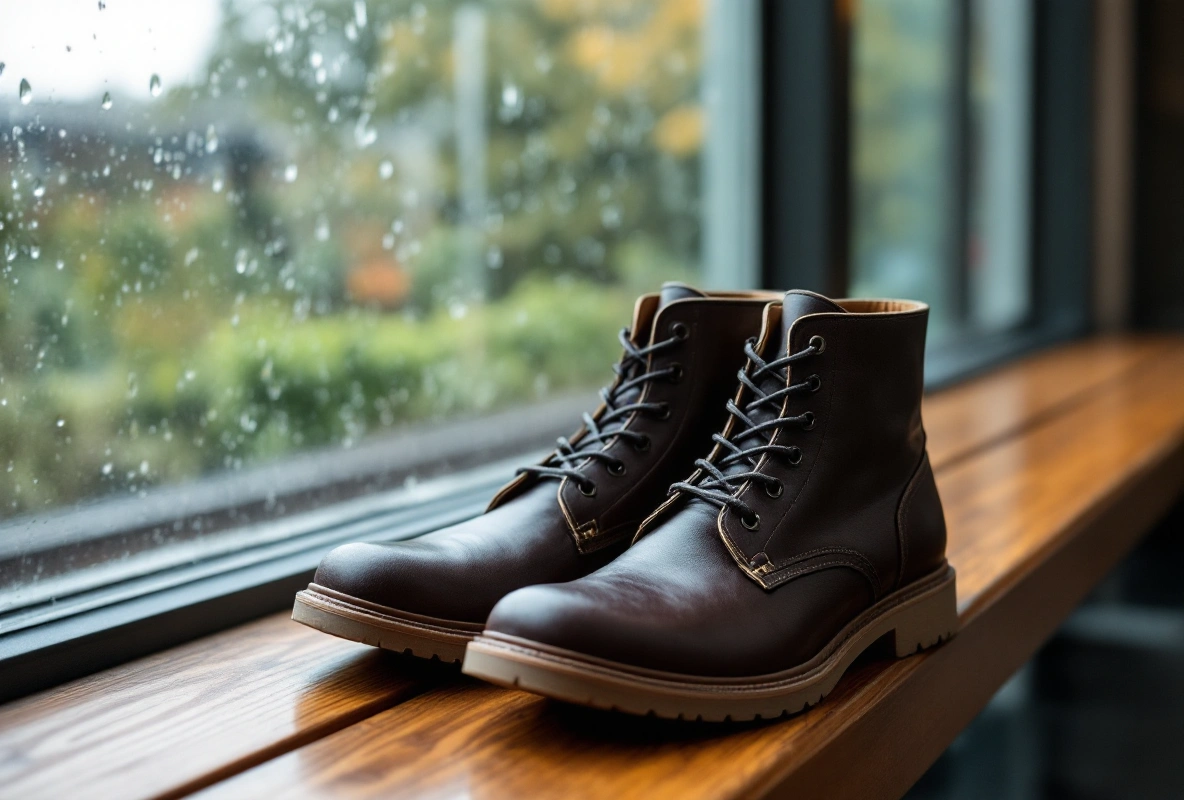
4 picks
4 Best Waterproof Walking Shoes for Europe in 2026
The best waterproof walking shoes for Europe handle wet cobblestones and shoulder-season rain without soaking through. See 4 real, verified picks.
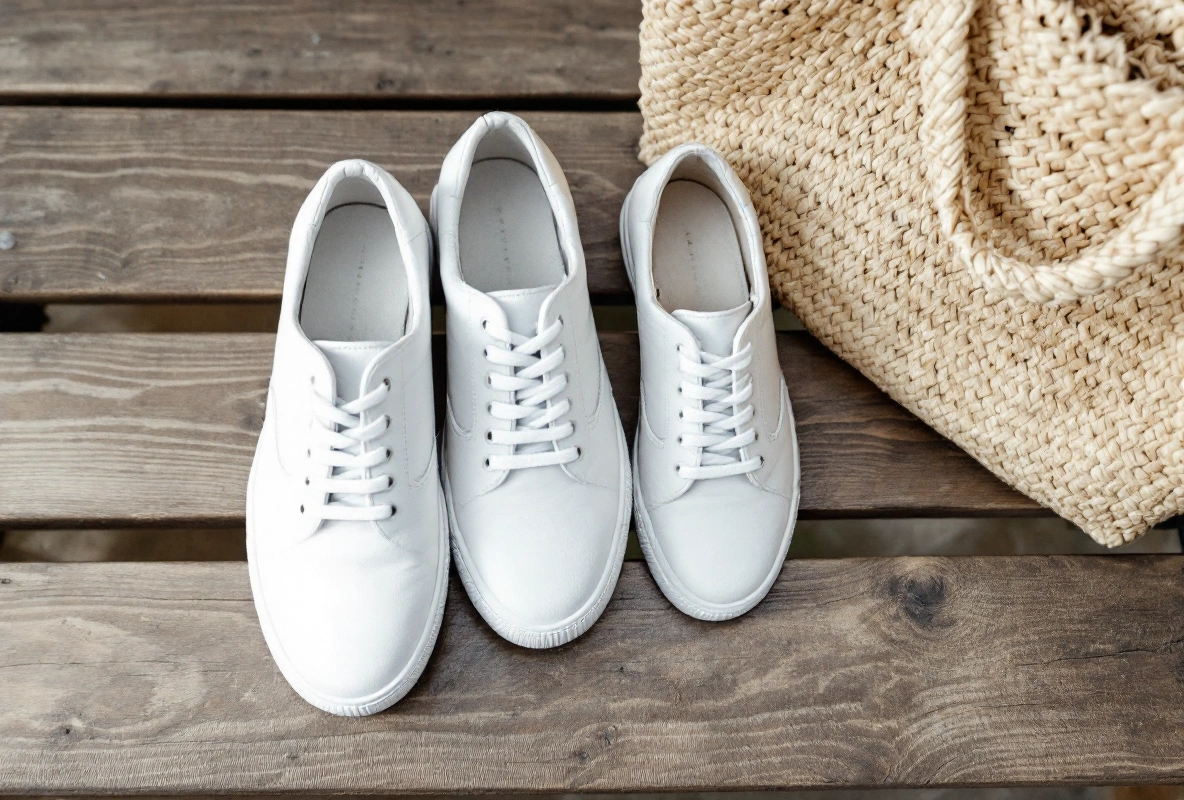
5 picks
5 Stylish Walking Shoes for Europe in Women's Sizes in 2026
Stylish walking shoes for Europe travel look like a normal shoe, not gym gear, while still gripping cobblestones. See 5 real, verified women's picks.