
Europe Train Travel: What to Know Before You Book
What to know before booking train travel in Europe, from seat reservations to luggage rack sizing, without the guesswork.
Contents7
Train travel is one of the easiest ways to move between European cities. But a few habits from flying don't carry over. Here's what to sort out before you book anything.
Reservations aren't always included
Some European train tickets come with an assigned seat automatically. Others are "open" tickets, where a seat reservation is a separate step, sometimes at a separate fee. Check this when you book, not after. Show up without a needed reservation and you may end up standing in the aisle.
Luggage racks are smaller than you think
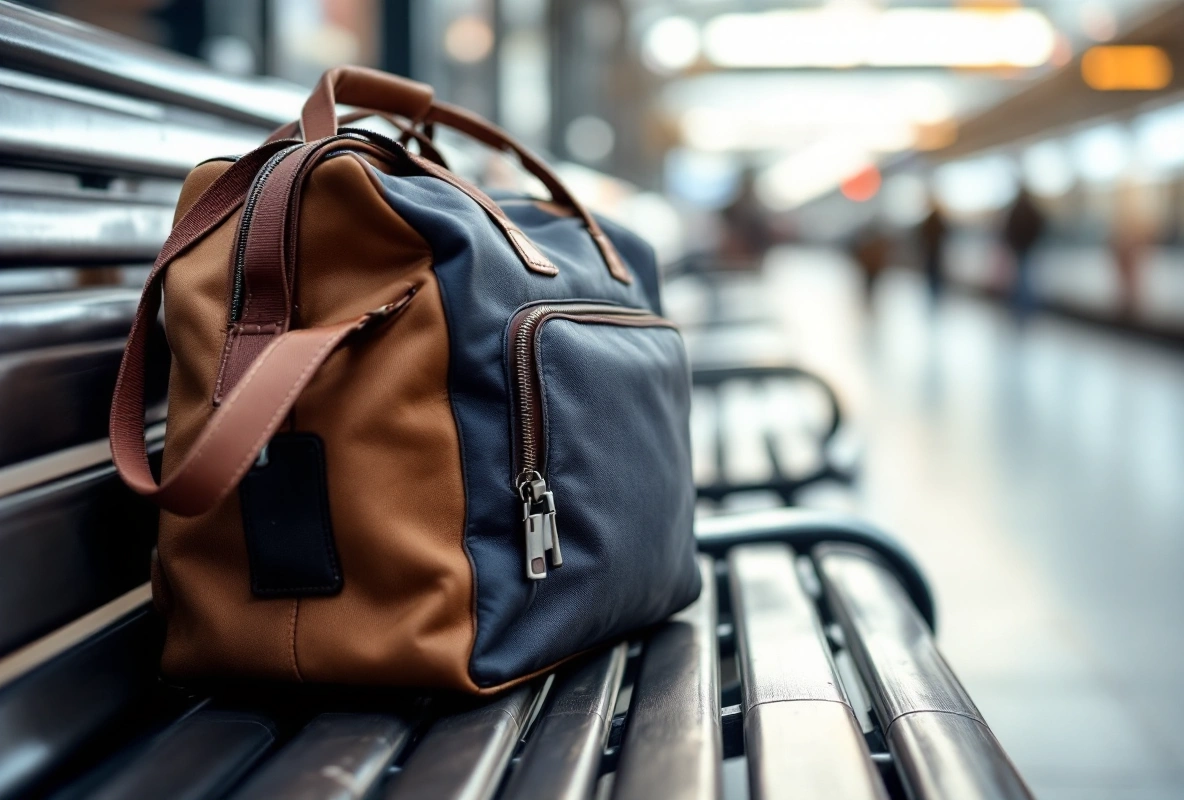
Most European trains have overhead racks sized for a standard carry-on bag. Larger racks near the doors or at the end of each carriage hold bigger bags, but a giant hard-shell suitcase is awkward on both. If you're packing for a rail-heavy trip, use a soft-sided bag or backpack you can lift by hand. It's easier to manage than a big wheeled case. Our backpack for traveling guide covers sizing for exactly this.
Get to the platform earlier than you think you need to
Unlike a flight gate, train platforms don't always show on the departure board until close to boarding time. Some stations also need a short walk to reach the right platform. Give yourself more buffer than feels necessary at first. Fifteen to twenty minutes before departure is a reasonable habit to build.
Decide if a rail pass fits your trip shape
A multi-country rail pass can pay off if you're covering several long routes in a short window. If your trip is mostly local, inside one country, or just one or two long rides, single tickets bought ahead are often simpler and cheaper. We break down how passes work in our European train pass guide.
Know the difference between regional and high-speed service
Regional trains stop more often and skip the reservation on most routes. High-speed trains connect major cities faster, but they almost always need a reservation, and sometimes cost more. Neither is "better." They just fit different trips. More on this in our high-speed rail guide.
Validate paper tickets before you board
Some countries ask you to stamp a paper regional ticket in a small machine on the platform before you board. Italy is the best-known example. An unstamped paper ticket can mean a fine, even if you paid for it. Digital tickets with a set train and time usually do not need this step, but check the ticket itself. When in doubt, ask at the ticket desk or look for the machine near the platform entrance.