
6 Great Walking Shoes for All-Day Comfort in 2026
As an Amazon Associate, this website earns from qualifying purchases.
The short answer
The Hoka Clifton 9 is the best all-round pick. Choose the Merrell Siren 4 GORE-TEX for rain, or the Vionic Walk Max Skyline for arch support.
Last updated September 2026
Contents18
- #1. Hoka Clifton 9: lightest cushioned pick
- #2. Merrell Siren 4 GORE-TEX: best waterproof grip for cobblestones
- #3. Vionic Walk Max Skyline: best built-in arch support
- #4. Ryka Devotion Plus 4: best fit for a woman's foot shape
- #5. ECCO Soft 7: best leather option for dressier days
- #6. Merrell Moab 3 Waterproof: best for rough terrain and wide feet
- Factors to consider when choosing great walking shoes
- Cushion versus support: two different problems
- Cobblestones, museum floors, and why terrain matters more in Europe
- Breaking shoes in before you fly
- One pair or two, depending on your itinerary
- Season and city change what you should prioritize
- How we picked the great walking shoes
- Reading the spec sheet: what these numbers actually mean
- Sizing tips before you buy
- Common mistakes that ruin a good pair of walking shoes
- Packing weight and space, realistically
- More in this guide
Our top 6 picks
- 1Lightest cushioned pick
 Hoka Clifton 9 (Women's)
- 7.30 oz with a 5mm heel-to-toe drop
- 29mm heel stack and 24mm forefoot stack
- Engineered knit upper for breathability
- 2Best waterproof grip for cobblestones
 Merrell Siren 4 GORE-TEX (Women's)
- GORE-TEX waterproof, breathable membrane
- Recycled laces, webbing and mesh lining
- Abrasion-resistant rubber toe cap
- 3Best built-in arch support
 Vionic Walk Max Skyline (Women's)
- Mixed leather, suede and mesh upper
- VIO MOTION footbed with contoured arch support
- Block heel with a side zip
- 4Best fit for a woman's foot shape
 Ryka Devotion Plus 4 (Women's)
- RE-ZORB cushioning for shock absorption
- Built on a woman's-specific last with a narrower heel
- Breathable engineered mesh with recycled linings
- 5Best leather option for dressier days
 ECCO Soft 7 Sneaker (Women's)
- Full-grain and nubuck leather upper
- Two-component PU/TPU outsole for flexibility
- Removable leather inlay sole adds width room
- 6Best for rough terrain and wide feet
 Merrell Moab 3 Waterproof (Women's)
- Waterproof membrane seals out water
- Pigskin leather and mesh upper
- Kinetic Fit removable contoured insole
Great walking shoes need three things: real cushioning, a grip that grabs wet stone, and a fit that still feels good after ten hours on your feet. Below are six real, currently sold women's walking shoes. We checked each one against its brand page and the listing we link to.
If you're packing for a trip through Europe, this matters more than usual. You'll walk more in one day of sightseeing than most people walk in a week at home. Cobblestone streets, marble museum floors, and long train-station corridors all put your feet through a workout. The wrong shoe turns day two into a blister problem.
Every model below is a real, currently sold shoe. We did not make up prices, star ratings, or review counts, so you won't see any of that here.
#1. Hoka Clifton 9: lightest cushioned pick
Our verdict:
Lightest cushioned pick
Best for travelers who want soft cushioning without extra weight in the bag.
View on Amazon- 7.30 oz with a 5mm heel-to-toe drop
- 29mm heel stack and 24mm forefoot stack
- Engineered knit upper for breathability
- Durabrasion rubber outsole in high-wear zones
Keep in mind: it has less aggressive grip than the Merrell picks on this page.
Product details checked October 2026
The Clifton 9 weighs just 7.30 oz, with a 29mm heel stack and 24mm forefoot stack for a 5mm drop. The engineered knit upper breathes well on warm walking days, and HOKA's Durabrasion rubber outsole resists wear on hard city pavement. Think of it as a light, everyday cushioned shoe rather than a technical hiker.
#2. Merrell Siren 4 GORE-TEX: best waterproof grip for cobblestones
Merrell Siren 4 GORE-TEX (Women's)
Our verdict:
Best waterproof grip for cobblestones
Best for travelers who want one shoe to handle rain and uneven stone streets.
View on Amazon- GORE-TEX waterproof, breathable membrane
- Recycled laces, webbing and mesh lining
- Abrasion-resistant rubber toe cap
- Vibram TC5+ outsole for grip
Keep in mind: it runs heavier than the Clifton 9, so skip it if you want the lightest option.
Product details checked September 2026
This one earns its spot with a Vibram TC5+ outsole, a rubber compound Merrell had made specifically for grip on mixed terrain. Add a GORE-TEX waterproof lining and a FloatPro foam midsole, and you get a shoe that handles both cobblestones and a sudden shower. It looks more like a low trail shoe than a boot, so it still packs flat.
#3. Vionic Walk Max Skyline: best built-in arch support
Vionic Walk Max Skyline (Women's)
Our verdict:
Best built-in arch support
Best for travelers with flat feet or plantar pain who want support built into the shoe.
View on Amazon- Mixed leather, suede and mesh upper
- VIO MOTION footbed with contoured arch support
- Block heel with a side zip
- 1.75-inch heel height
Keep in mind: the support cannot be swapped out the way a separate insole can.
Product details checked September 2026
If your feet ache from flat shoes, look here first. The Walk Max Skyline uses a nitrogen-infused midsole paired with the VIO MOTION footbed for built-in arch support. It also carries the APMA Seal of Acceptance. For travelers who normally need an orthotic insert, this shoe already has that support built in.
#4. Ryka Devotion Plus 4: best fit for a woman's foot shape
Ryka Devotion Plus 4 (Women's)
Our verdict:
Best fit for a woman's foot shape
Best for travelers whose feet slide or rub in unisex-fit sneakers.
View on Amazon- RE-ZORB cushioning for shock absorption
- Built on a woman's-specific last with a narrower heel
- Breathable engineered mesh with recycled linings
- Eight-piece rubber outsole for traction
Keep in mind: its 11mm drop is higher than several other picks here, which shifts more weight onto the forefoot.
Product details checked September 2026
Ryka builds shoes on a last shaped for a woman's foot, with a narrower heel and roomier toe box. The Devotion Plus 4 uses RE-ZORB cushioning plus an eight-piece rubber outsole for grip. The anatomical insole adds extra arch and heel support, which helps on long walking days.
#5. ECCO Soft 7: best leather option for dressier days
Our verdict:
Best leather option for dressier days
Best for travelers who want a shoe that works for dinner as well as a day of sightseeing.
View on Amazon- Full-grain and nubuck leather upper
- Two-component PU/TPU outsole for flexibility
- Removable leather inlay sole adds width room
- Soft textile lining inside
Keep in mind: leather needs more break-in time than a mesh or knit upper.
Product details checked September 2026
For travelers who want a leather sneaker instead of an athletic look, the Soft 7 uses full-grain and nubuck leather with ECCO's FLUIDFORM construction for a soft, anatomical fit. The removable inlay sole gives you a little extra width room if your feet swell during a long travel day.
#6. Merrell Moab 3 Waterproof: best for rough terrain and wide feet
Merrell Moab 3 Waterproof (Women's)
Our verdict:
Best for rough terrain and wide feet
Best for travelers heading somewhere with gravel paths or hill towns, not just flat streets.
View on Amazon- Waterproof membrane seals out water
- Pigskin leather and mesh upper
- Kinetic Fit removable contoured insole
- Vibram TC5+ rubber outsole
Keep in mind: it runs heavier and bulkier than every other pick on this page.
Product details checked September 2026
The Moab 3 Waterproof pairs a waterproof membrane with pigskin leather and mesh, plus the same Vibram TC5+ outsole used on the Siren. It also comes in a wide-width option, which is worth knowing if standard widths run tight on you. This is a sturdier, more trail-shoe-shaped option for travelers who want extra protection on uneven ground.
Factors to consider when choosing great walking shoes
Traction on smooth, wet surfaces
Cobblestones and old marble floors get slick fast, especially after rain. Look for a rubber outsole the brand describes as built for wet or mixed terrain, not just a flat road-running sole.
Cushioning that lasts past hour six
Museums and old town centers rarely have benches when you need one. A soft, supportive midsole matters more the longer your day runs.
Built-in arch support if you need it
If you already deal with foot pain, a shoe with structured support, like the Vionic Walk Max Skyline, solves a different problem than a cushioned shoe like the Clifton 9. Cushioning absorbs impact. Support holds your foot in position.
A shape that fits in a carry-on
Bulky boots eat packing space you need for other gear. Every pick on this page is a low-cut sneaker or shoe shape rather than a boot.
Cushion versus support: two different problems
Not every walking shoe solves the same problem. The Clifton 9 leans on thick midsole foam. That foam absorbs impact from repeated footstrikes on hard pavement. The Vionic Walk Max Skyline works differently. It uses a structured arch-support system that holds your foot in place.
That matters for standing in a museum line, not just for walking.
If your feet mostly get tired from distance and impact, a cushion-first shoe will likely feel better. If you deal with ongoing arch pain, a support-first shoe is worth trying, even with less plush cushioning underfoot.
Cobblestones, museum floors, and why terrain matters more in Europe
Old European city centers don't offer flat sidewalks or mown grass. Cobblestone streets are rounded and uneven by nature. Centuries of foot traffic have polished the stone smooth. That turns slick fast the moment it rains.
Museum and cathedral floors are often marble, stone, or old hardwood. Those surfaces have almost no give underfoot.
A flat, flexible sneaker sole works fine on a gym floor. It doesn't grip the same way on smooth wet stone. A shoe with real tread, like the Vibram-soled Merrell picks on this page, keeps that traction where a plain rubber sole would start to slide.
Breaking shoes in before you fly
Every shoe on this page needs real wear before a trip. Don't just try it on in a store for a few minutes. Cushioned foam softens slightly and molds to your stride with use. Structured support systems, like the one in the Vionic Walk Max Skyline, can feel different underfoot at first. They actively reposition your foot instead of just cushioning it.
Plan on at least a week of regular wear before departure. Try to fit in a couple of walks of an hour or more. Leather shoes like the ECCO Soft 7 need even more time. Leather flexes more slowly than a knit or mesh upper.
One pair or two, depending on your itinerary
If your trip is mostly city walking with occasional cobblestone stretches and no real chance of rain, one well-matched shoe from this list, like the Clifton 9, is enough. If your itinerary mixes old-town cobblestone with a countryside day trip, or your travel dates carry a real risk of rain, a waterproof, lugged option like the Merrell Siren 4 GORE-TEX earns a spot as your only pair or as backup alongside a lighter everyday shoe.
Packing two pairs makes the most sense when your days genuinely differ from each other. A lighter shoe for flat city days paired with a waterproof, grippier shoe for wet or rougher days covers more ground than two shoes that solve the same problem.
Season and city change what you should prioritize
Spring or summer in a southern city: breathable mesh uppers, like those on the Clifton 9, keep feet cooler through long, warm walking days without the bulk of a waterproof build.
Winter or a rainy stretch further north: the Merrell Siren 4 GORE-TEX and Merrell Moab 3 Waterproof both handle wet cobblestone and damp weather that a mesh sneaker isn't built for.
Any season, if support is your main concern: the Vionic Walk Max Skyline leads on built-in arch support regardless of weather, since that's the actual problem it's built to solve.
How we picked the great walking shoes
Every fact here comes from the brand's own product page or the listing for the exact pair we link to. That covers weight, drop, outsole, and upper material. We left out prices and star ratings on purpose, since those change often and aren't stable enough to publish as fact.
Some well-known walking shoes did not make the cut. Their measurements or gender-specific details did not match across the brand page and the listing we checked. We would rather list six shoes we can back up than add a seventh based on a guess.
Reading the spec sheet: what these numbers actually mean
Stack height is how much material sits between your foot and the ground, measured separately at the heel and the forefoot. Heel-to-toe drop is the difference between those two numbers. A lower drop, like the Clifton 9's 5mm, keeps your foot closer to flat. A higher drop, like the Devotion Plus 4's 11mm, shifts more of your weight forward with each step.
The APMA Seal of Acceptance is awarded by the American Podiatric Medical Association to products that meet its criteria for promoting good foot health. It's an independent, third-party review rather than a brand's own marketing claim.
Vibram outsoles refer to rubber compounds made by Vibram, a company that supplies outsole rubber to many outdoor and walking-shoe brands. The TC5+ compound used on the Merrell picks here was developed specifically for grip on varied, often wet terrain.
GORE-TEX is a specific waterproof, breathable membrane licensed to shoe brands, not a general term for water resistance. A shoe with a genuine GORE-TEX membrane has been tested to a specific waterproof standard.
Sizing tips before you buy
Feet swell on long flights and long walking days, sometimes by half a size. If you're between sizes, going up is usually the safer call, especially with leather shoes like the ECCO Soft 7, which won't stretch much once you're on the road. Wide-width shoppers should check the Merrell Moab 3 Waterproof, which comes in a wide fit.
Always break in a new pair before you fly. Wear any shoe on this list around your own block for at least a week first.
Common mistakes that ruin a good pair of walking shoes
Buying the shoe the week before you leave. Even the best-reviewed shoe on this list can cause blisters if it's brand new on day one of a trip. Give any new pair real wear at home first.
Assuming your usual size carries across brands. HOKA, Merrell, Vionic, Ryka, and ECCO all use different lasts, the internal shape a shoe is built around. A size 8 in one brand can fit differently from a size 8 in another.
Packing only one type of shoe for a trip that needs two. If your itinerary genuinely splits between cobblestone old towns and modern paved streets, or between dry and rainy stretches, one shoe built for only one of those conditions will leave you uncomfortable on the days it's not suited for.
Ignoring arch support because a shoe looks cushioned. Cushioning and arch support solve different problems. A thick-soled shoe absorbs impact well but doesn't replace the structured support in something like the Vionic Walk Max Skyline if your issue is specifically arch or plantar pain.
Packing weight and space, realistically
Shoes are one of the heaviest, bulkiest items in most travel bags. The Clifton 9, at 7.30 oz per shoe, costs the least in packed weight. The Merrell Moab 3 Waterproof and Merrell Siren 4 GORE-TEX both run heavier and bulkier. That's the tradeoff for a hiking-shoe build and a waterproof membrane. It's worth it on the days you actually need that protection.
A reasonable rule: pack the number of shoe pairs that matches the number of genuinely different conditions your trip covers. Don't pack one pair per city or one pair per outfit.
More in this guide
- Best walking shoes for women: the fullest roundup, sorted by foot need.
- Best women's walking shoes for travel in Europe: picks sized and shaped for a carry-on.
- Stylish walking shoes for women: comfort that doesn't look like a gym shoe.
- Walking shoes: the basics, explained simply.
- Waterproof walking shoes: for wet cobblestones and shoulder-season rain.
Our picks in this topic
10 picks
10 Best Walking Shoes for Women in 2026
The best walking shoes for women balance cushioning, arch support, and grip. See 10 real, verified models sorted by foot need, with facts pulled from each brand's page.
6 picks
6 Best Women's Walking Shoes for Travel in Europe in 2026
The best women's walking shoes for travel in Europe grip cobblestones, cushion long museum days, and pack flat in a carry-on. See 6 real, verified picks.
5 picks
5 Stylish Walking Shoes for Women in 2026
Stylish walking shoes for women don't have to look like gym shoes. See 5 real, verified picks that look put-together and hold up on cobblestones and long city days.
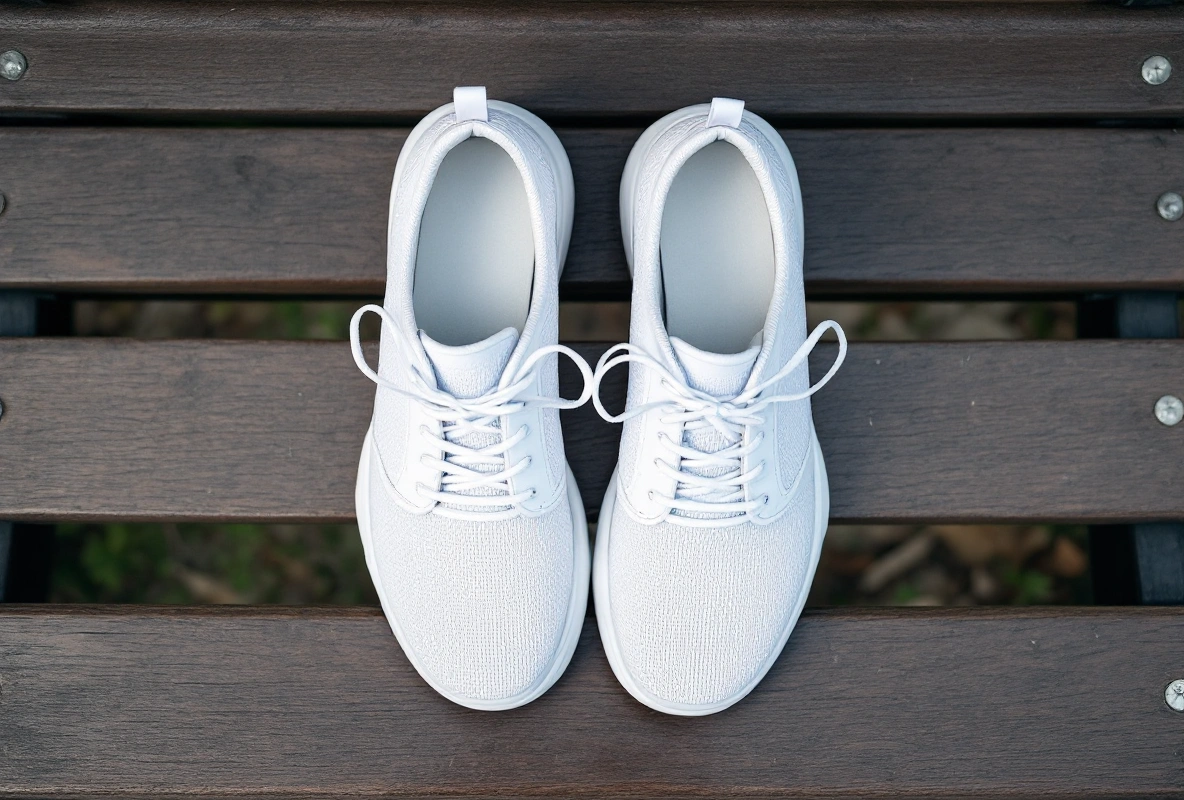
6 picks
6 Best Walking Shoes to Try in 2026
Good walking shoes need cushioning, a grippy outsole, and a fit that lasts all day. See what to check before you buy, plus 6 real, verified picks.
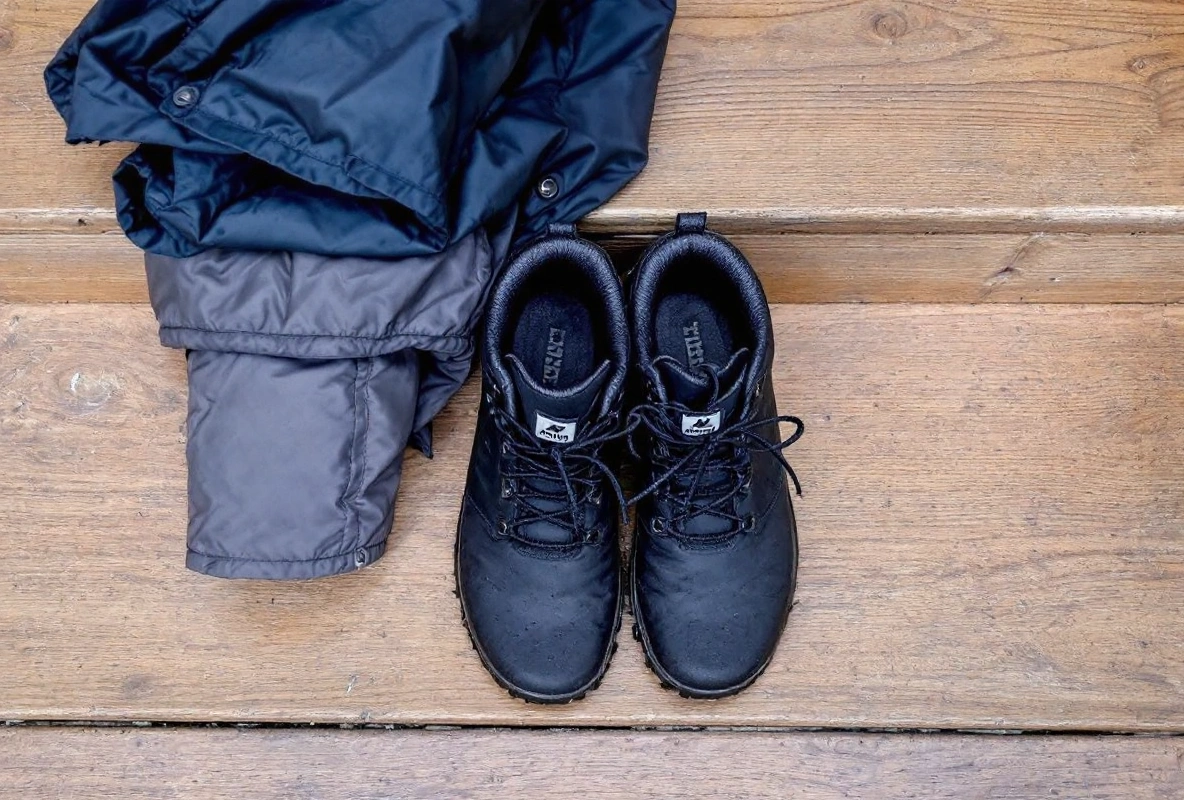
4 picks
4 Best Waterproof Walking Shoes in 2026
Waterproof walking shoes keep your feet dry on wet cobblestones and in shoulder-season rain. See 4 real, verified models with membrane and outsole details.
Questions people also ask
What's the single most important feature in a walking shoe for Europe?
Grip on wet stone matters most, since a shoe that slips on cobblestone or a wet marble step is a safety issue, not just a comfort one. Cushioning and arch support matter just as much for comfort over a full day, but traction is the one that can turn into an actual fall.
Do I need a hiking shoe for a city-focused Europe trip?
Not necessarily, but a shoe with real outdoor-grade traction, like the Merrell Siren 4 GORE-TEX or Merrell Moab 3 Waterproof, is not overkill for old cobblestone city centers the way it might be for a flat American downtown. Old European paving behaves more like light off-road terrain than a modern sidewalk.
Are men's and women's walking shoes actually built differently?
Often, yes, beyond just sizing. Brands like Ryka build shoes on a last shaped specifically for a woman's foot, typically with a narrower heel and different arch position, rather than just shrinking a men's shoe. If you are shopping for a specific fit issue, checking whether a shoe is built on a women's-specific last is worth a few extra minutes.
How many pairs of shoes should I actually pack?
For most trips, one well-matched pair covers everything, plus a very light second pair, like sandals, for evenings if you want a break from your walking shoe. Two full walking-shoe pairs only make sense if your itinerary genuinely splits between different terrain or weather conditions on different days.